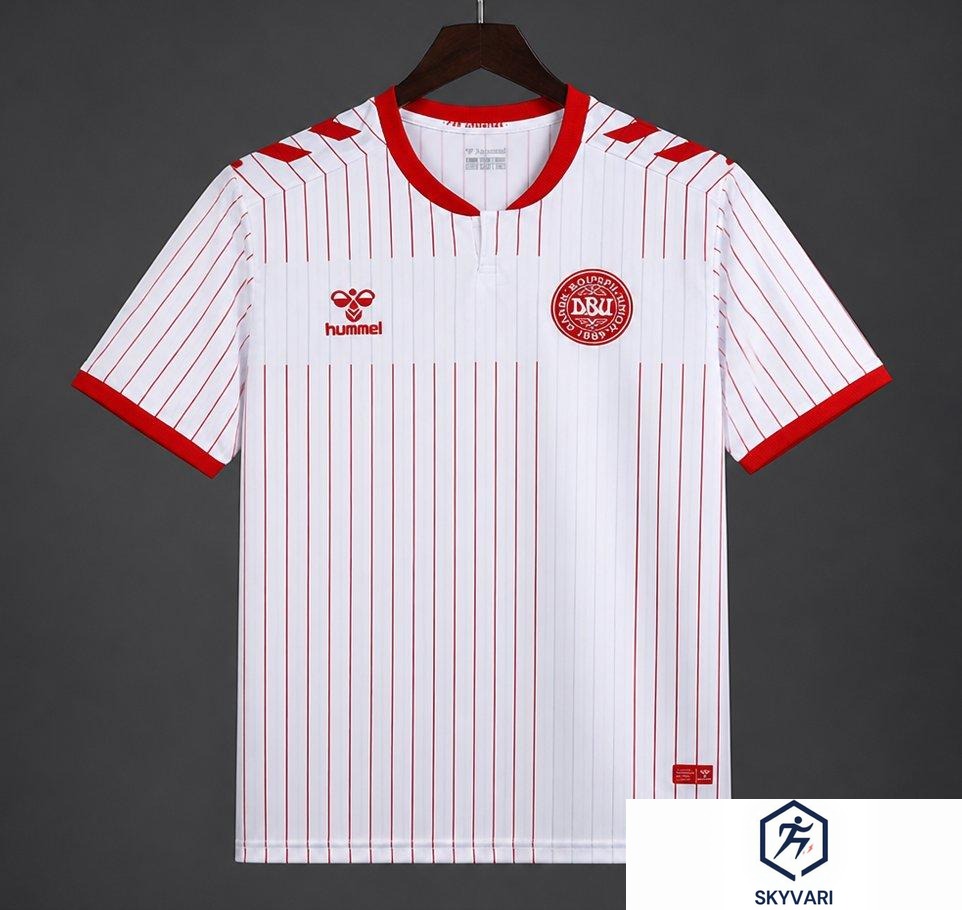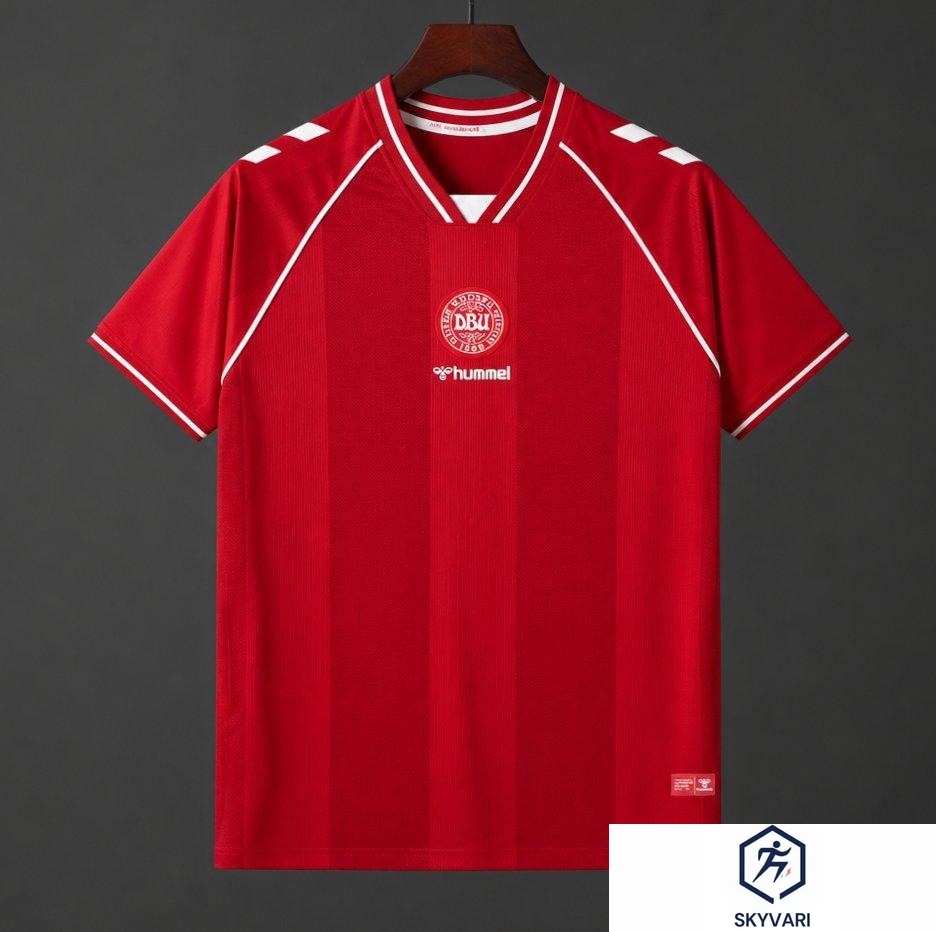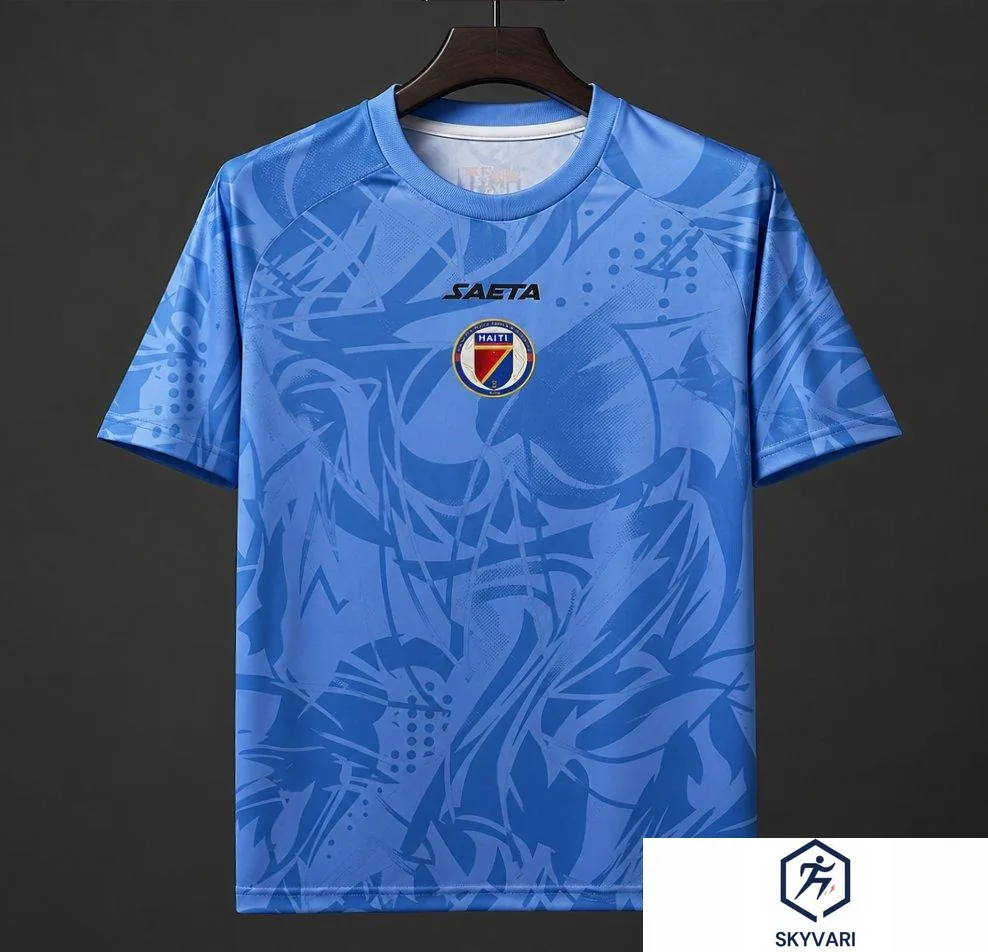
Every time a fan poll pops up asking for the best kit ever, the winner is almost always something from the 80s or 90s. Not a modern masterpiece. Not a sleek minimalist number from last season. It's the Denmark 86 Hummel, the Mexico 86, the Nigeria 94. And honestly? That's not nostalgia talking. That's design.
Old shirts had to work harder
Think about what a kit had to do in 1990. No gradient meshes. No engineered knit zones. No heat-pressed rubber badges. You had fabric, thread, and a badge. That's it. Designers couldn't hide behind technology, so they leaned on pattern, colour, and silhouette. The result was shirts with a clear identity — you could recognise them from the other side of the pub.
Now look at a modern third kit. It's probably lovely. It's also probably a solid colour with a subtle tonal graphic that vanishes on TV. The tech is incredible. The personality is often missing.
Why fan polls keep picking the classics
I've voted in a lot of these polls. And I've noticed the same names come up: the 1990 England home, the 1988 Netherlands, the 1994 Nigeria. These shirts win because they're memorable. Not because they're technically superior — they're not. They're heavy, they cling, and the collars itch.
But they had courage. The Nigeria 94 shirt had a pattern that looked like it was designed by a kid with a fresh pack of markers. And it worked. You couldn't confuse it with anything else. Modern kits are designed by committee to avoid offending anyone. Classic kits were designed to be noticed.
There's also the scarcity factor. You couldn't buy a shirt every season in 1992. You got one and wore it until it fell apart. That emotional weight sticks with people. When you see that shirt again, you remember the player, the match, the moment.
The modern kit paradox
Here's the thing: modern shirts are objectively better made. They wick sweat. They're lighter. They fit better. But they're also disposable. Clubs release three new kits a year, every year. Fans are conditioned to move on. So no single shirt becomes iconic.
And that's the paradox. The better the shirts get, the less we care about them. A 2024 shirt might be a technical marvel, but it'll be forgotten in five years. A 1986 shirt will still be winning polls in 2050.
I'm not saying modern design is bad. Some current shirts are great. But they're fighting a losing battle against the classics because the classics had something money can't buy: a moment in time.
You don't need to spend vintage money
Original retro shirts are expensive now. A decent 1990 England home will set you back more than a season ticket. And fakes are everywhere. So what do you do if you love the look but not the price?
You buy modern recreations. Adidas has been reissuing some of their classics, and they're solid. But if you want a retro-inspired shirt that doesn't cost a fortune, there are budget options. I recently picked up a Player Version 26/27 South Africa Yellow & Green Home Jersey (Adidas) Soccer Football from LISIMKE for $24.99. It's not a vintage reissue, but the colourway and the cut have that old-school feel. Yellow and green, simple design, no overthinking. For the price, it's a great way to scratch the retro itch without hunting eBay.
That's the thing — you can enjoy the retro aesthetic without paying collector prices. Just don't expect it to feel like a 1990 original. It won't. But it'll look the part.
The future of retro
I think we'll see more clubs lean into their archives. Not just reissuing shirts, but designing new ones that borrow from the past. The best modern kits already do this. Look at some of the recent Nigeria shirts — they nod to 94 without copying it. That's the sweet spot.
But fan polls will keep picking the originals. Because you can't fake history. You can only borrow it.
So next time a poll pops up, vote for your favourite. And if it's a classic, don't feel bad. You're not alone. We're all suckers for a bit of nostalgia. And a good collar.