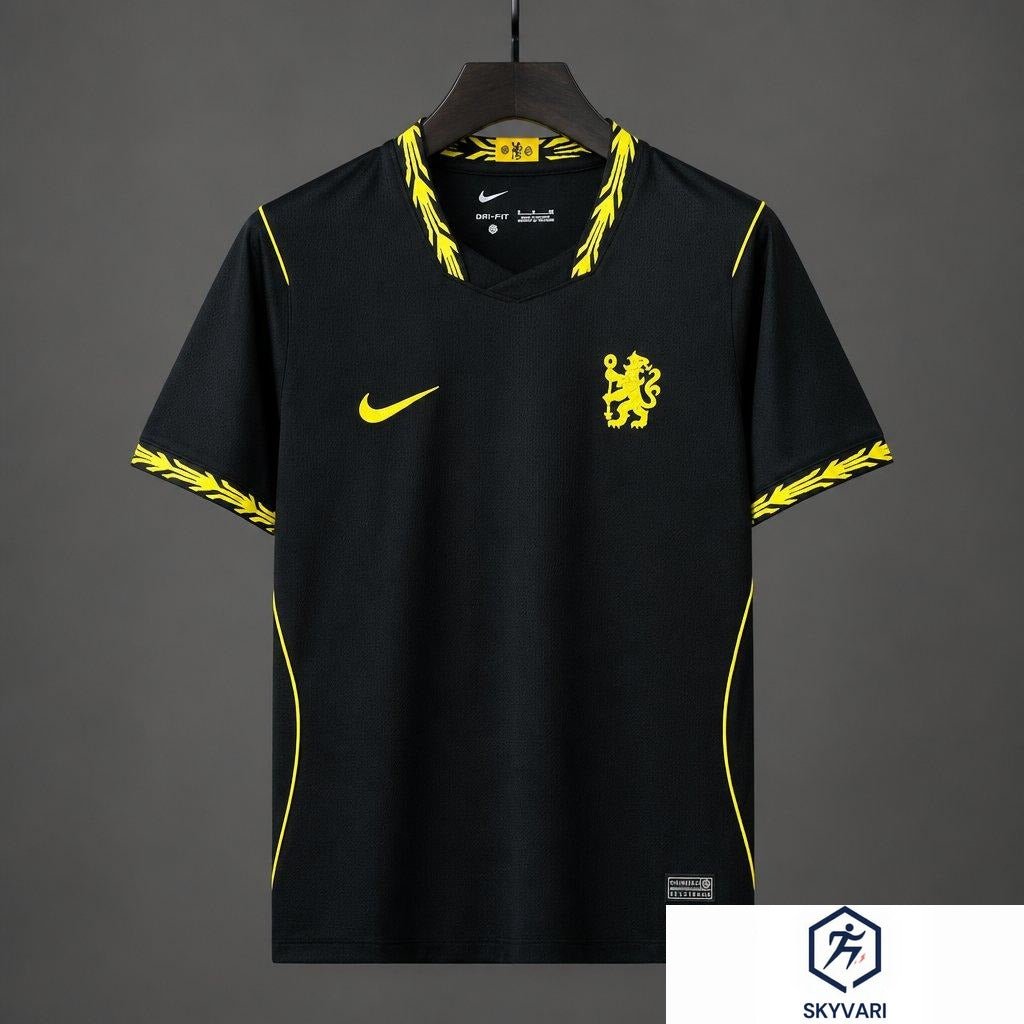
If you've ever gone down the rabbit hole of Chelsea retro jersey history, you know the feeling — one minute you're looking at the classic 1994 FA Cup final shirt, the next you're three tabs deep into a 1980s Umbro away kit wondering how you got there. Chelsea's shirt archive is genuinely one of the most interesting in English football, from the plain blue designs of the 1960s through the Autoglass and Commodore eras to the modern Nike runs. But buying a retro shirt is a different game to buying a new one, and there are a few things worth knowing before you part with your money.
First, know what you're actually buying. The market splits into three rough categories: genuine vintage shirts (original 70s-90s production, often worn, sometimes with fading or bobbling), official remakes (Chelsea and their partners have reissued some classics, usually in limited runs), and reproduction or 'inspired by' shirts from smaller makers. Genuine vintage is where the real collectors live, but check the wash label, the crest stitching and the manufacturer's tag carefully — fakes of the 1990s Commodore and Autoglass shirts are everywhere. If a 'vintage' 1994 shirt is suspiciously cheap and the fabric feels plasticky, walk away.
Sizing is the biggest trap. Vintage Umbro and Le Coq Sportif shirts from the 80s and 90s fit nothing like modern Nike kits — they run small, boxy and short, and a 'Large' from 1992 might fit like today's Medium. Always ask sellers for pit-to-pit and length measurements rather than trusting the label, and remember that old shirts have often shrunk in the wash over thirty years. If you're buying a remake, go with your normal modern size, but check the specific product page because reissues sometimes follow the original pattern rather than contemporary sizing. When in doubt, size up — you can wear a retro shirt a bit loose, but you can't stretch one.
Fan versus player version matters more than people think, even in retro terms. Player-issue and player-version shirts are cut slimmer, with lighter fabric and often heat-pressed details, while fan versions are roomier and built for everyday wear. For retro buying, most of what you'll find on the secondary market is fan version, which is honestly what you want for wearing to the pub or the Bridge. Player versions are collectibles — great if you're framing one, less great if you want to actually wear it, because the slim cut and delicate printing don't love a washing machine. Decide upfront whether you're buying to wear or to display.
Common mistakes? Overpaying for a shirt with a badly restored or replaced crest, ignoring the sponsor print (the Commodore and Autoglass logos are notorious for cracking and peeling), and buying without checking the seller's return policy. Also, don't assume every blue shirt is 'the classic' — Chelsea have had some genuinely odd away and third kits over the years, and part of the fun of retro collecting is finding the weird ones. Set a budget, learn the era you actually care about, and buy the shirt that means something to you rather than the one with the highest price tag.
Finally, look after whatever you buy. Wash retro shirts cold, inside out, and never tumble dry them — heat is the enemy of old fabric and sponsor prints. Store them folded rather than on a hanger if the fabric is thin, and keep them out of direct sunlight. Do that, and a good retro Chelsea shirt will outlast most of the modern ones in your wardrobe. Up the Blues.
Shop Chelsea Kits
Browse our full Chelsea collection — fan and player versions, kids sizes, all at wholesale prices.