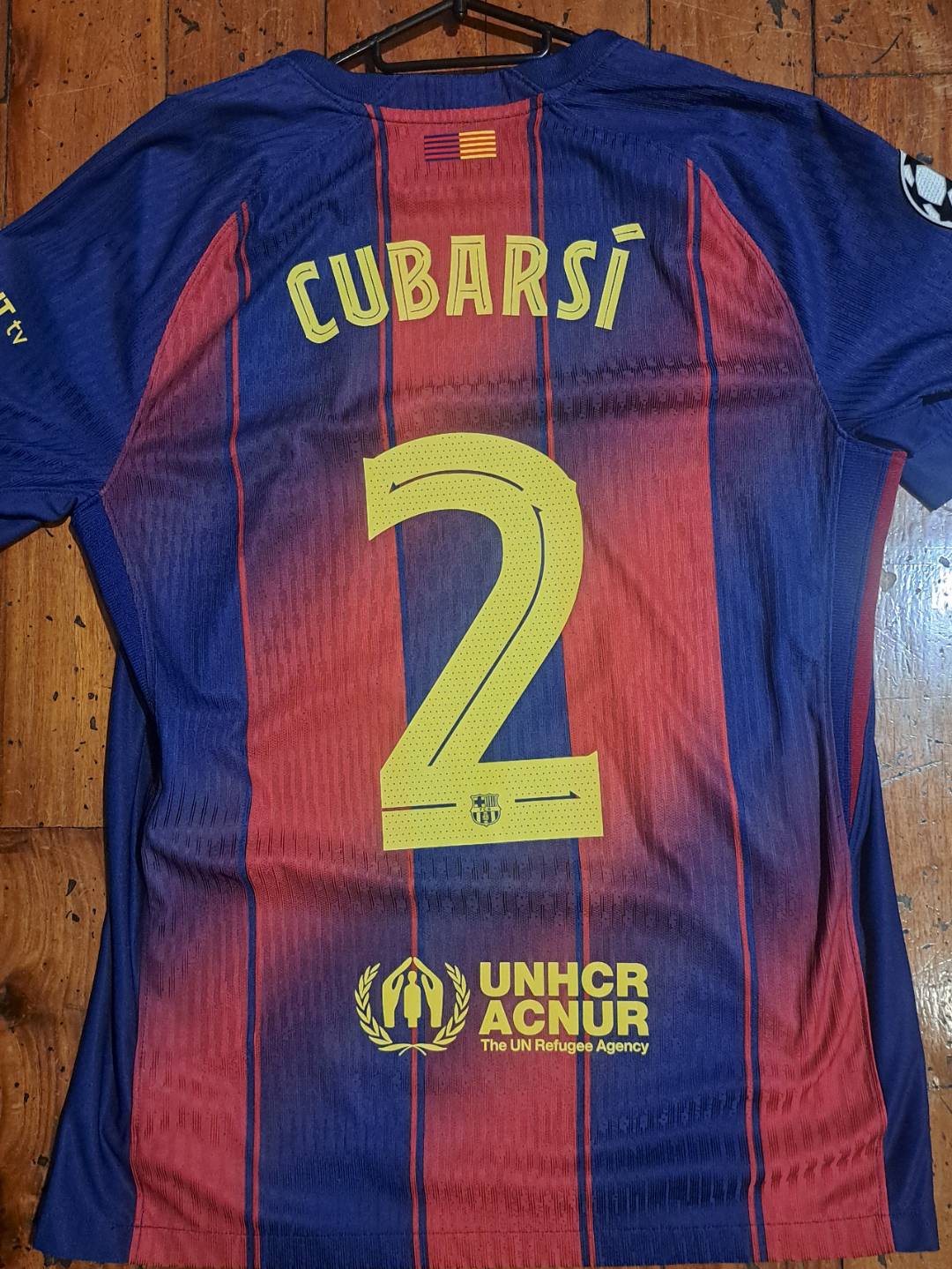
You’re on holiday in Barcelona, you pick up a shirt with Cubarsi on the back, and a week later he’s wearing a different number. Do you now own a mistake, or a piece of club history? That’s the dilemma a fan on r/SoccerJerseys posted this summer, and the replies split exactly how you’d expect: half the thread called it a rare gem, the other half wondered if it was a bust. Here’s the thing — number changes happen every pre-season, and they turn ordinary shirts into little time capsules. The real question isn’t whether the shirt is ‘wrong’. It’s whether you understand what you’ve got.
Why a Number Change Makes a Shirt Rarer, Not Ruined
Think about how many shirts get printed with a player’s number in a given season. Thousands. Now think about how many get printed with a number he only wore for a few weeks before switching. Hundreds, maybe fewer. That’s the accidental scarcity of a misnumbered kit. The fan in the thread bought his Cubarsi shirt during the summer, before the squad numbers were locked in for the new campaign. Once the switch happened, that shirt became a snapshot of a brief window — exactly the kind of detail collectors chase.
I’ve seen this before with Barcelona. Remember when Ansu Fati wore No. 31 in 2019-20 before inheriting the No. 10 in 2021? Those early Fati shirts with the original number are now harder to find than the later ones. Same with Pedri, who started with No. 16 in 2020-21 before taking No. 8. The number on the back tells a story about when the shirt was printed, and for a player like Cubarsi — a La Masia graduate who broke into the first team in 2023-24 — that early number is part of his origin story.
The Barcelona Kit Context You Need
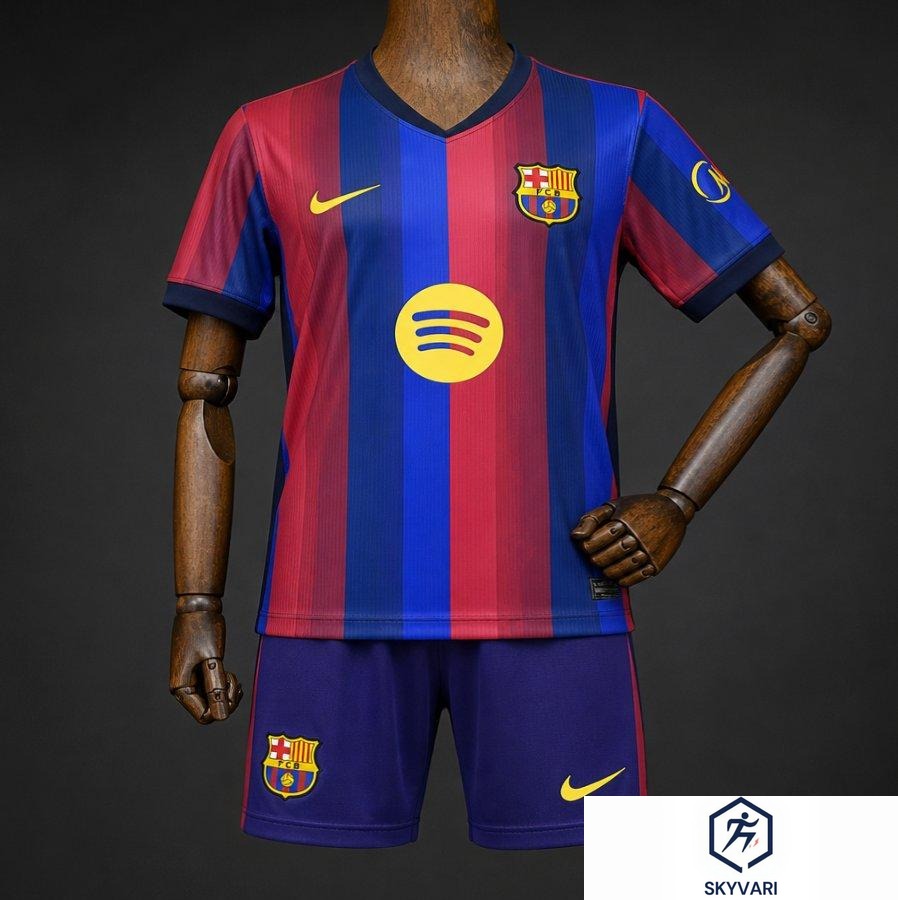
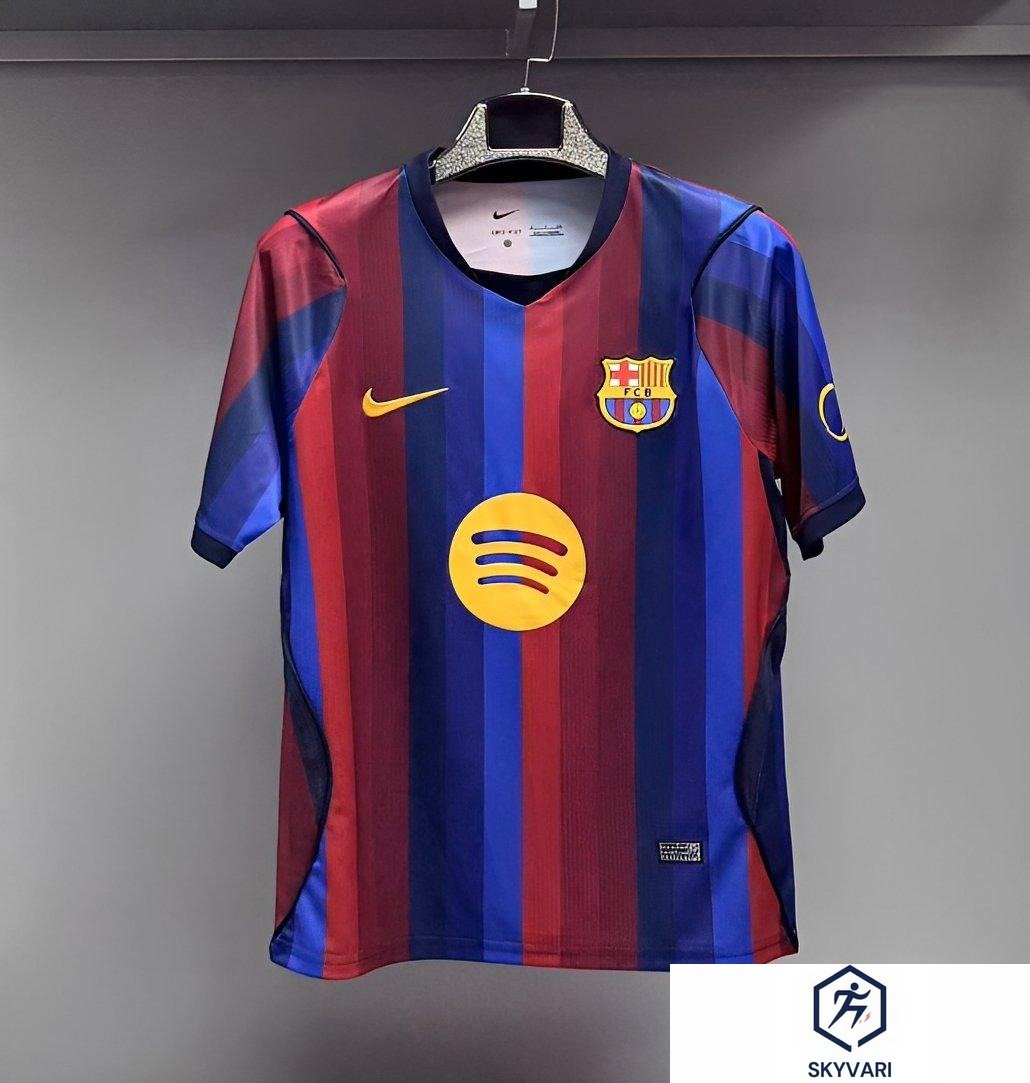
Cubarsi broke through in the 2023-24 season, wearing No. 33 in La Liga and the Champions League. That’s the number on the shirt the fan bought. By the 2024-25 pre-season, he’d switched to a lower squad number, which is standard practice at Barcelona when a young player gets promoted to the first-team squad proper. The kit itself is the 2024-25 home shirt — the one with the classic blaugrana stripes and the Spotify sponsor. It’s a clean design, not a grail, but a solid modern Barcelona shirt.
Now, if you’re buying a Cubarsi shirt today, you’ll get the new number. That makes the old-number version a footnote in his career. For some collectors, that’s exactly the appeal: a shirt that only existed for a matter of weeks before the number changed. It’s not a bootleg or a misprint — it’s a legitimate shirt from a specific, short-lived moment.
How to Judge Whether It Belongs in Your Collection
Ask yourself three questions. First, do you actually like the player? If Cubarsi is a player you rate and want to remember, the number change is a quirk, not a dealbreaker. Second, is the shirt a fan version or player version? Player versions are rarer and hold value better, but a fan version with a short-lived number still has charm. Third, does the number change bother you personally? If you’re the type who needs everything to be ‘correct’, you’ll never be happy with it. But if you enjoy the story, it’s a great conversation piece.
One practical tip: if you ever sell it, don’t hide the number change — highlight it. List it as a ‘Cubarsi rookie-season number’ shirt. Collectors pay for stories. And if you’re buying one now, check the nameset carefully. Official Barcelona shop namesets have a specific font and spacing. Aftermarket prints can look close but feel different. If the price seems too good, it might be a bootleg — and a bootleg with a rare number is just a fake with a story.
What the Thread Got Right — and What It Missed
The r/SoccerJerseys crowd was mostly spot on: a number change makes a shirt more unique. But nobody mentioned the condition factor. If the shirt is unworn with tags, it’s a stronger collectible than a washed one. Also, nobody brought up the season. The 2023-24 Barcelona home shirt had a slightly different shade of blue and red than the 2024-25 version, and the sponsor logo placement changed. If you’re trying to date the shirt precisely, those details matter.
Another thing: the thread didn’t discuss the player’s trajectory. If Cubarsi becomes a Barcelona legend, that early number shirt becomes a proper collector’s item. If he fades, it’s a curiosity. That’s the gamble with any young player’s shirt. But at least you’re gambling on a shirt you can wear.
Common questions, quick answers
Is a shirt with a player’s old number worth less than the current number?
Usually yes, in raw monetary terms, because most buyers want the current number. But for a player who changes numbers early in his career, the old-number shirt can be rarer and more desirable to niche collectors. It’s a trade-off between mainstream appeal and scarcity.
Should I try to remove the old nameset and replace it with the new number?
I wouldn’t. Removing a nameset often damages the fabric or leaves residue, and you’d lose the shirt’s unique story. Plus, official namesets are heat-pressed and not designed to come off cleanly. Keep it as is — the number change is the point.
How can I tell if a Cubarsi shirt with the old number is authentic?
Check the nameset font against official Barcelona shop images, look for the La Liga or Champions League patch quality, and inspect the inner label. Fan versions and player versions have different tags. If buying second-hand, ask for proof of purchase from the Barcelona store or a reputable retailer.
Read next
- Is My Barcelona Shirt Fake? How to Spot a Replica
- Barcelona Away Kits Ranked: 2015/16 Orange vs the New Black and Purple
Shop Barcelona shirts
Current Barcelona shirts — fan and player versions, honest pricing.

This piece started from a fan discussion on r/SoccerJerseys and was expanded with our kit desk's take.