A fan over on r/SoccerJerseys dropped around €200 on an Iniesta Kobe shirt from the J-League official shop, only for it to land with a printed crest and a finish that felt nowhere near the money. That post kicked off a proper pile-on of disappointment stories, from a 2013 Kobe kit with almost everything sublimated to an Inter Miami away shirt that fit like a different size entirely. It got me thinking about the shirts that have let me down, and why the Japanese domestic game in particular keeps catching buyers out.
The Kobe Crest Problem Is Older Than You Think
One reply pointed out that Kobe have been sublimating most of their shirt details since around 2013. That is not a manufacturing error, it is how the club has chosen to produce its kits for over a decade. The 2013 Kobe shirt in question had everything printed into the fabric except the back sponsor and the J-League patch, which is a world away from the embroidered crests and raised logos fans expect on a European club shirt.
So the Iniesta shirt that arrived with a printed crest was not a one-off dud. It was the standard product. If you are buying a J-League shirt expecting the same hand-feel as a Premier League or Serie A kit, you are going to be disappointed every time. The Japanese domestic market has its own production logic, and it does not always align with what import buyers assume they are paying for.
Sizing Is the Other Trap
The same reply mentioned that the 2013 Kobe shirt was in Jaspo O and came up oddly small compared to the label. That is a familiar story. Japanese sizing runs tighter than European or American sizing, and even within the same brand the cuts can vary wildly between clubs and seasons.
The Inter Miami comment in the thread makes the same point from the other direction. A fan said every Adidas authentic medium they own fits fine, but the 25/26 Inter Miami away shirt was noticeably tight and looked off. That is the problem with trusting a size label across different production runs. A medium is not a universal medium. If you are buying from Japan, check the actual measurements against a shirt you already own, not the letter on the tag.
What You Are Actually Paying For
Import fees are the silent killer here. The €200 figure in the original post included shipping and customs, which means the shirt itself was probably closer to €120-140 before it left Japan. That is still real money for a shirt with a printed crest and a sublimated sponsor.
The J-League official shop is not a bootleg operation. It sells the real domestic product. The issue is that the real domestic product is built to a different spec and a different price point than what European fans are used to. You are paying for authenticity and provenance, not for the same construction standards as a Champions League shirt. Once you accept that, the disappointment fades and the shirt becomes what it always was: a piece of Japanese football culture, not a luxury garment.
The Shirts That Actually Hold Up
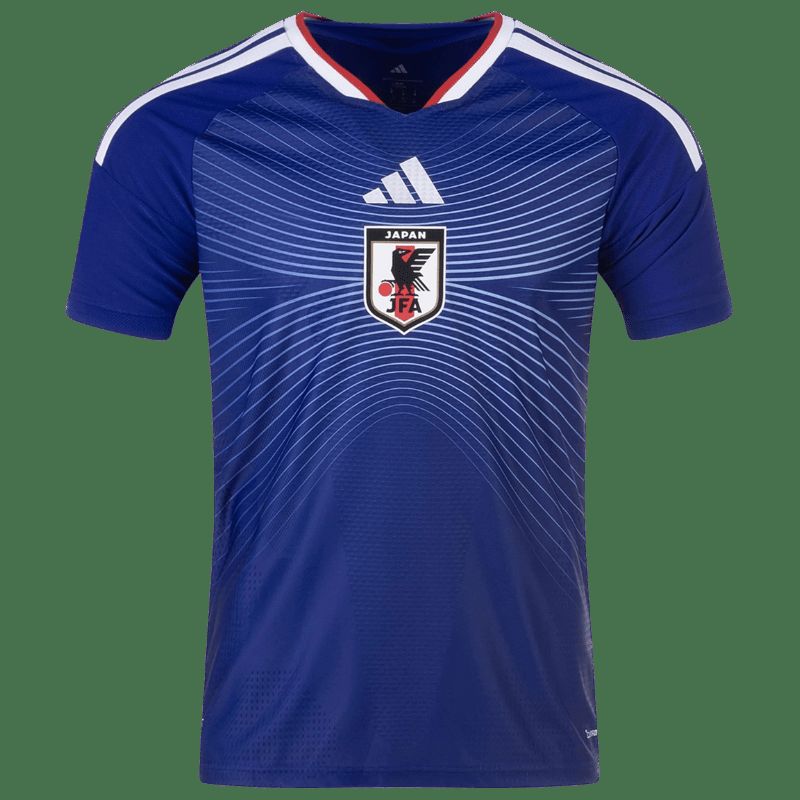
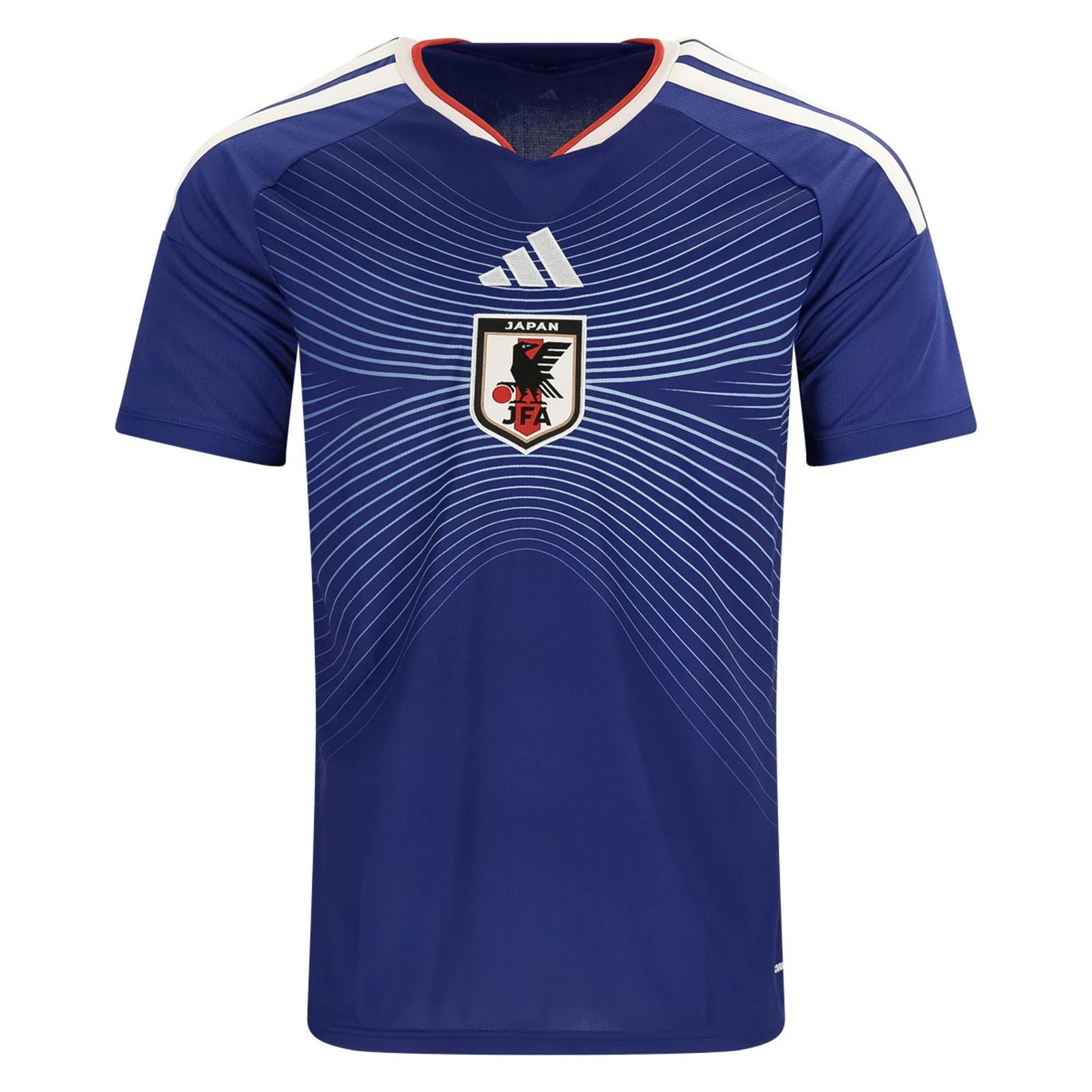
Not every Japanese shirt is a letdown. The 2018 Japan home shirt for the World Cup in Russia had a proper embroidered crest and a clean, sharp look that has aged well. The 2019 Rugby World Cup shirts produced for the Japanese national team also had a level of finish that put some club kits to shame.
The lesson is that you need to know what you are buying before you commit. A Kobe shirt from the J-League shop is a domestic product with domestic production values. A Japan national team shirt from a major tournament is a different beast entirely, often produced to a higher spec for a global audience. If you want the embroidered crest and the heavier fabric, chase the national team shirts from World Cup years. If you want the club shirt, buy it for what it is and stop expecting it to feel like a Nike or Adidas flagship kit.
Quick answers for buyers
Why does my Kobe shirt have a printed crest instead of an embroidered one?
Kobe have been using sublimated crests and printed details on their shirts since around 2013. It is the standard production method for the club, not a defect. If you want an embroidered crest, you need to look at Japan national team shirts from major tournaments instead of J-League club kits.
Is the J-League official shop reliable for international buyers?
It is reliable in the sense that you get the genuine domestic product. The catch is that the domestic product may not match your expectations for quality and finish. Factor in import fees and check the size chart carefully before ordering, because returns from overseas are painful.
Why does my Inter Miami authentic fit tighter than other Adidas mediums?
Adidas authentic shirts can vary between production runs and clubs. The 25/26 Inter Miami away shirt has been reported as running tight even for people who wear the same size in other Adidas authentics. Always check the actual measurements rather than trusting the label.
Read next
- How to Stop a Vintage Japan Shirt Nameset From Peeling (And What to Check Before You Buy)
- Japan 2002 World Cup home kit: is the Nakamura #10 shirt worth chasing?
Shop Japan shirts
Current Japan shirts — fan and player versions, honest pricing.

This piece started from a fan discussion on r/SoccerJerseys and was expanded with our kit desk's take.