A collector over on r/SoccerJerseys posted that they'd lost 42 of 67 shirts to mould. The culprit? Temporary bags they forgot about, a laundry service that binned the lot, and months of neglect. The thread that followed was part sympathy, part practical advice, and part 'how much?' — because that's the internet. But the real lesson is about storage, not just bad luck. If you've ever shoved a kit into a bin liner 'for now', this one's for you.
What actually happened in that thread
The original poster had a collection of 67 kits. They stored a chunk of them in temporary bags, forgot to retrieve them, and by the time they did, mould had set in. The laundry service they trusted ended up throwing the ruined shirts away. Only 25 survived, including a 1992-93 Real Madrid home shirt — a proper grail from the season before the crest changed.
The replies were a mix. Some asked for the number (42, if you're counting). Others offered sourcing tips: Vinted and Depop for bargains, with one fan claiming you can find original shirts for under $25 if you're patient. And then someone asked if the list was in Excel. Fair question — if you're rebuilding, a spreadsheet is your friend.
Why temporary storage is a slow death for kits
Mould loves dark, damp, airless spaces. A plastic bag in a cupboard is basically a petri dish. If the shirt went in even slightly damp — from sweat, from a wash, from humid air — you've created the perfect environment. And once mould spores get into the fabric, especially the polyester mesh of a player version, they're almost impossible to remove without damaging the print or the crest.
The other killer is heat. A loft or garage that swings from freezing to roasting will cook the glue on namesets and sponsors. I've seen a 2014-15 Real Madrid home shirt where the Bwin sponsor had peeled clean off after two summers in an attic. The shirt itself was fine; the print was gone.
How to store shirts so they survive
First, wash cold and rinse thoroughly. Skip fabric softener — it coats the fibres and attracts dirt. Dry flat in a well-ventilated room, away from direct sun. Make sure it's bone dry before it goes anywhere near storage.
For long-term, use breathable cotton garment bags or acid-free boxes. Avoid vacuum bags — they crush prints and trap any residual moisture. If you're hanging, use wide wooden hangers to spread the weight, and never hang a heavy player version by the shoulders for years; it'll stretch.
Climate control matters. A stable room, ideally between 15-20°C and low humidity, is better than a garage. If you live somewhere damp, invest in a dehumidifier or silica packets. And check your collection every few months. A quick airing can stop a small problem becoming a disaster.
Rebuilding a Real Madrid collection smartly
If you're starting over, prioritise the shirts that matter to you, not just the ones that are rare. A 1998 home shirt with the Teka sponsor is lovely, but if your heart is in the 2016-17 home with the gold trim, go for that. Don't let the hunt become a chore.
Buying advice: Vinted and Depop can be goldmines, but check the photos carefully for print cracks, bobbling, and fake tags. Ask for a photo of the inner label — Real Madrid shirts from the 2000s often have a specific code. And don't be afraid to make an offer; many sellers price high expecting negotiation.
For older shirts, set up saved searches and be patient. The 1992-93 home shirt that survived the mould is a great example of a piece worth waiting for — it's from the season before the crest was modernised, and the simple design with the old crest is a fan favourite. But don't pay over the odds just because you're rebuilding. There's always another one.
What fans ask before ordering
How do I remove mould from a football shirt?
If it's surface mould, a gentle wash with a capful of white vinegar in cold water can help, but test on an inconspicuous area first. For deep mould or mould on prints, it's often irreversible — don't risk spreading spores to other shirts. Prevention is far easier than cure.
Are vacuum bags safe for storing shirts?
No. Vacuum bags compress the fabric and can crack heat-pressed namesets and sponsors. They also trap any moisture left in the shirt, which encourages mould. Stick to breathable cotton bags or acid-free boxes.
Where can I find cheap original football shirts?
Vinted and Depop are popular for bargains, but you need to know what you're looking at. Check the tags, the print quality, and the seller's feedback. Local charity shops and car boot sales can also turn up surprises, especially for less glamorous clubs.
How often should I check stored shirts?
Every three to six months is sensible. Give them a quick look for damp, pests, or print lifting. If you spot a problem, deal with it immediately — mould spreads fast.
Read next
- Real Madrid Kits: Why the 2026-27 Shirts Deserve Patience, Not Panic
- Can a Leeds Fan Own a Real Madrid Mbappe Shirt and Still Be Leeds?
Shop Real Madrid shirts
Current Real Madrid shirts — fan and player versions, honest pricing.
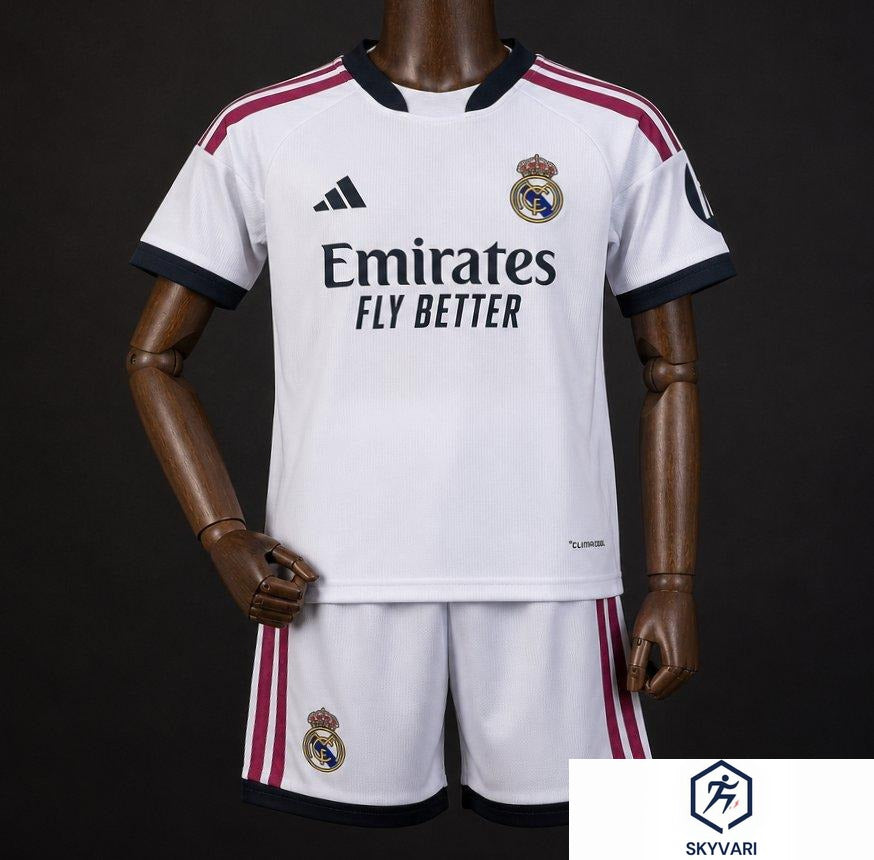


View all Real Madrid jerseys →
This piece started from a fan discussion on r/SoccerJerseys and was expanded with our kit desk's take.