A fan on r/SoccerJerseys recently posted a question that comes up every World Cup cycle: they picked up a Brazil shirt in a shop in Brazil, then checked sold listings on eBay and noticed differences. The size tag said 'G' instead of 'M', and the sponsor looked off compared to European releases. Cue the usual panic about bootlegs. But here's the thing: South American market shirts are often made locally, and they're not always the same as the ones you see on UK or US shelves. So before you call it fake, let's look at what actually separates a genuine Brazilian release from a copy.
Why 'G' Doesn't Mean Fake
First, the size tag. In Brazil, sizes run P, M, G, GG — pequeno, médio, grande, gigante. So a 'G' is just a medium in local sizing. If you bought the shirt in a Brazilian shop, that's exactly what you'd expect. The fan who bought this paid 600 BRL (around €97), which is about right for a player version or a special edition in Brazil. It's not a red flag.
What does raise eyebrows is when a shirt has a Brazilian size tag but is being sold as a European release. That's when you start asking questions. But if the shirt was bought in Brazil, the tag is consistent with the market.
The Sponsor Question
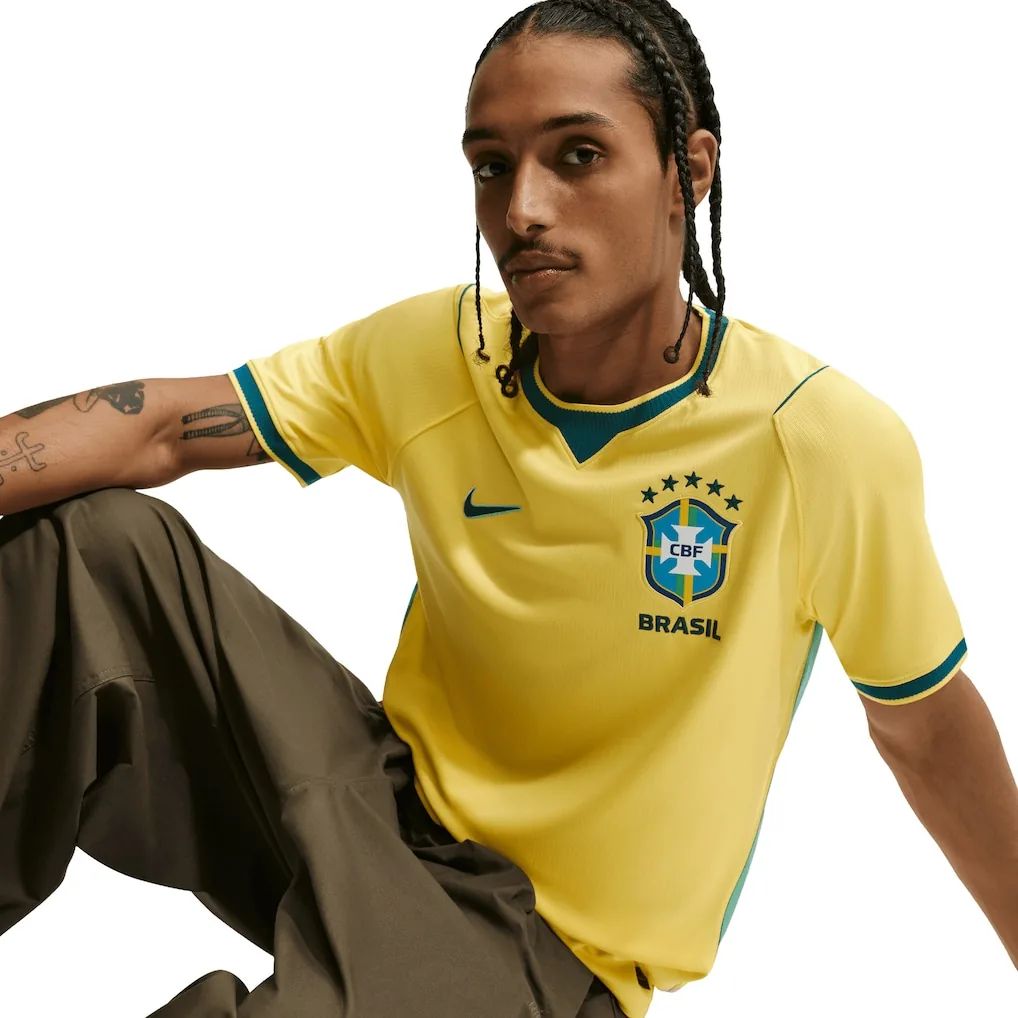
The other difference the fan noticed was the sponsor. Brazil's kit sponsors have changed over the years, and South American releases sometimes carry different branding. For example, the 2018 World Cup home shirt had a 'CBF' logo and a Nike swoosh, but the Brazilian version might have a different sponsor on the sleeve or back. That doesn't make it fake — it makes it regional.
I remember the 2014 World Cup shirts: the Brazilian version had a 'Itaú' sponsor on the back, while European releases didn't. So if you see a sponsor that isn't on the eBay listings you're comparing to, check if it's a local partner. That's often the simplest explanation.
How to Spot a Genuine South American Release
Look at the wash tags. Brazilian-made shirts often have a tag with Portuguese text and a CNPJ number (the Brazilian company registration). That's a good sign. Also, the fabric might feel slightly different — Nike's Brazilian releases sometimes use a lighter mesh for the heat.
Check the crest and the print quality. Fakes often have a crest that's glued on rather than embroidered, or a sponsor that's peeling. On a genuine shirt, the details are crisp. And if you can, compare the product code on the tag to known releases. That's the most reliable way.
The 1997-98 Away Shirt: A Grail Worth Checking
The same fan also mentioned bringing home a 1997-98 away shirt of their club — not Brazil, but a nice touch. That era of Brazilian club shirts is full of gems. The 1997-98 season saw some classic designs, like the blue and white away kits with bold sashes and local sponsors. If you find one in good condition, it's a grail for many collectors.
But again, authenticity matters. For shirts that old, check the tag and the stitching. Older replicas often have a single-stitch hem, while fakes might be double-stitched. And the sponsor logo should be printed, not a sticker.
What fans ask before ordering
Is a Brazil shirt with a 'G' size tag fake?
No. 'G' stands for 'grande' (large) in Brazilian sizing. If the shirt was made for the Brazilian market, that's the correct tag. Fakes often use European sizing, so a 'G' is actually a good sign if you bought it in Brazil.
Why does my Brazil shirt have a different sponsor than the one on eBay?
South American releases often have local sponsors that aren't on European or US versions. For example, the 2014 World Cup shirts had a 'Itaú' sponsor in Brazil. Check if the sponsor matches the region the shirt was made for.
How can I tell if my Brazil shirt is a player version or a fan version?
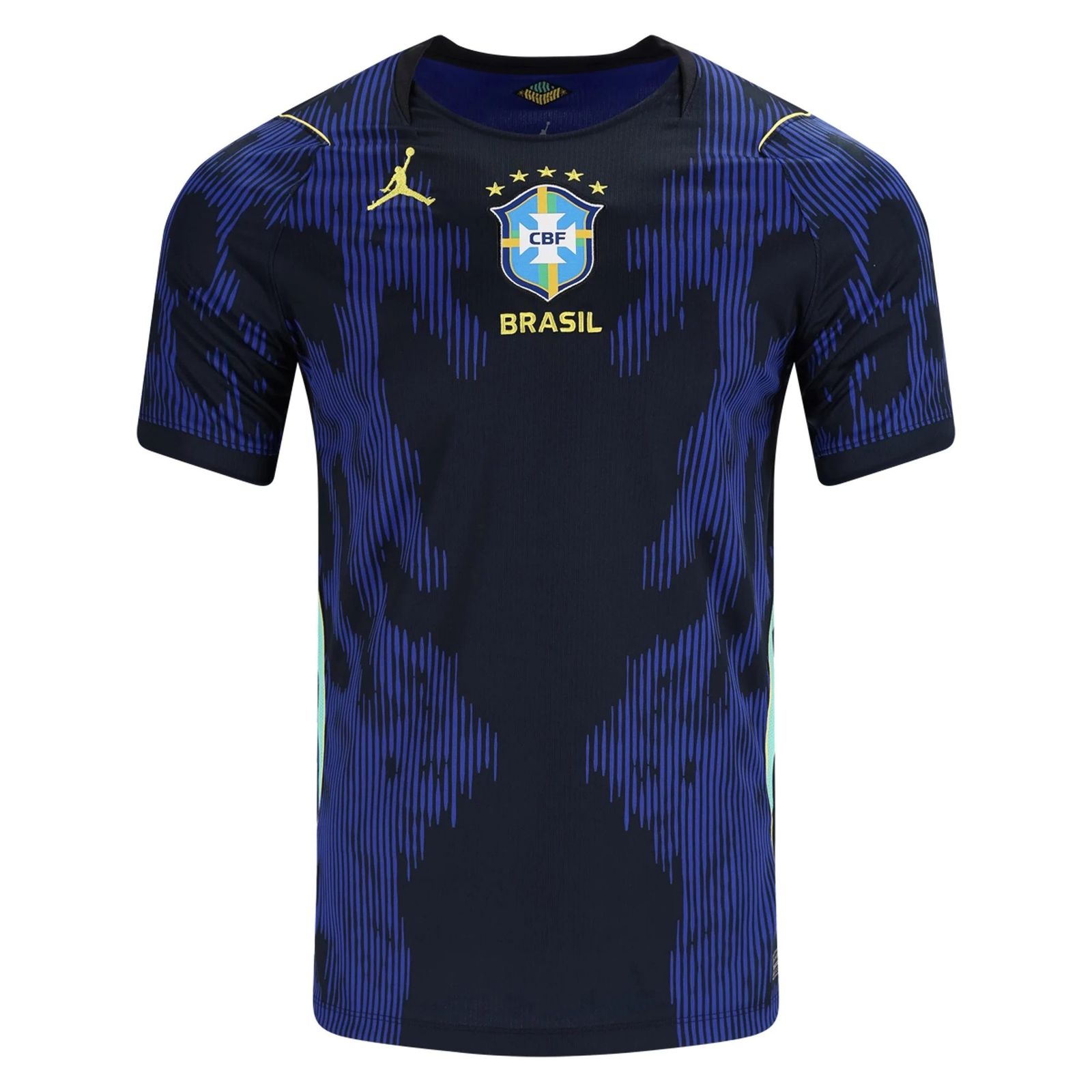
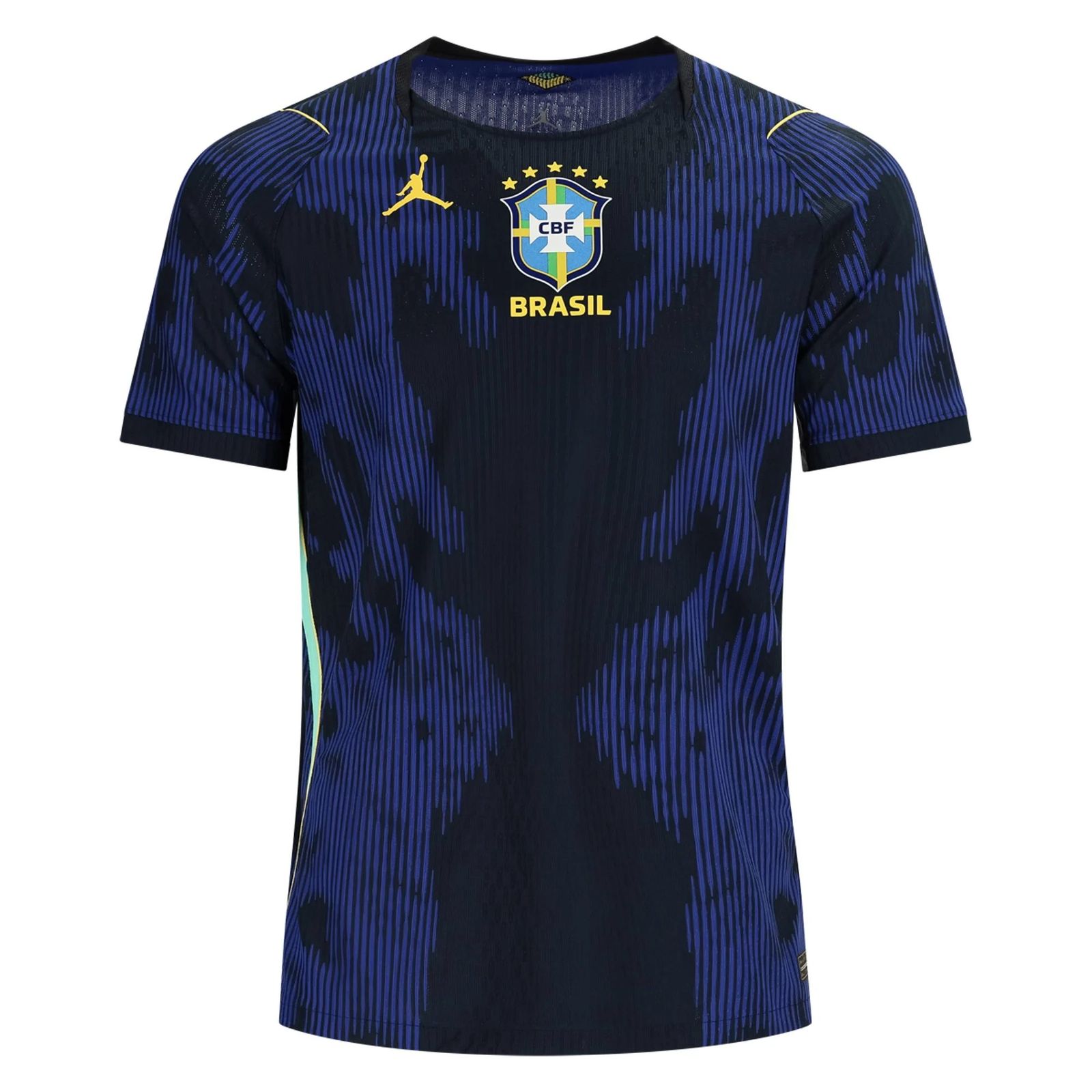
Player versions usually have a tighter fit, lighter fabric, and laser-cut holes for ventilation. Fan versions are looser and have stitched details. Also, check the tag: player versions often have a 'Dri-Fit ADV' label.
What's a fair price for a Brazil shirt bought in Brazil?
Prices vary, but 600 BRL (around €97) is reasonable for a special edition or player version. Fan versions are usually cheaper. Just make sure you're not paying over the odds for a fake.
Read next
- Is the Brazil 2018 World Cup Kit One of the Best Ever?
- How to Buy Brazil Jersey Online Cheap: A Fan's No-Nonsense Guide
Shop Brazil shirts
Current Brazil shirts — fan and player versions, honest pricing.
This piece started from a fan discussion on r/SoccerJerseys and was expanded with our kit desk's take.