A fan on r/SoccerJerseys recently posted a photo of their first $200 jersey. The £100 shirt plus shipping and duties had doubled in cost. The replies split fast: one called it 'for true kitheads,' another said they'd stick with the $20 shipped replica, and a third swore by Chinese kits that last a season for $16. So who's right? Let's talk about what you're actually paying for.
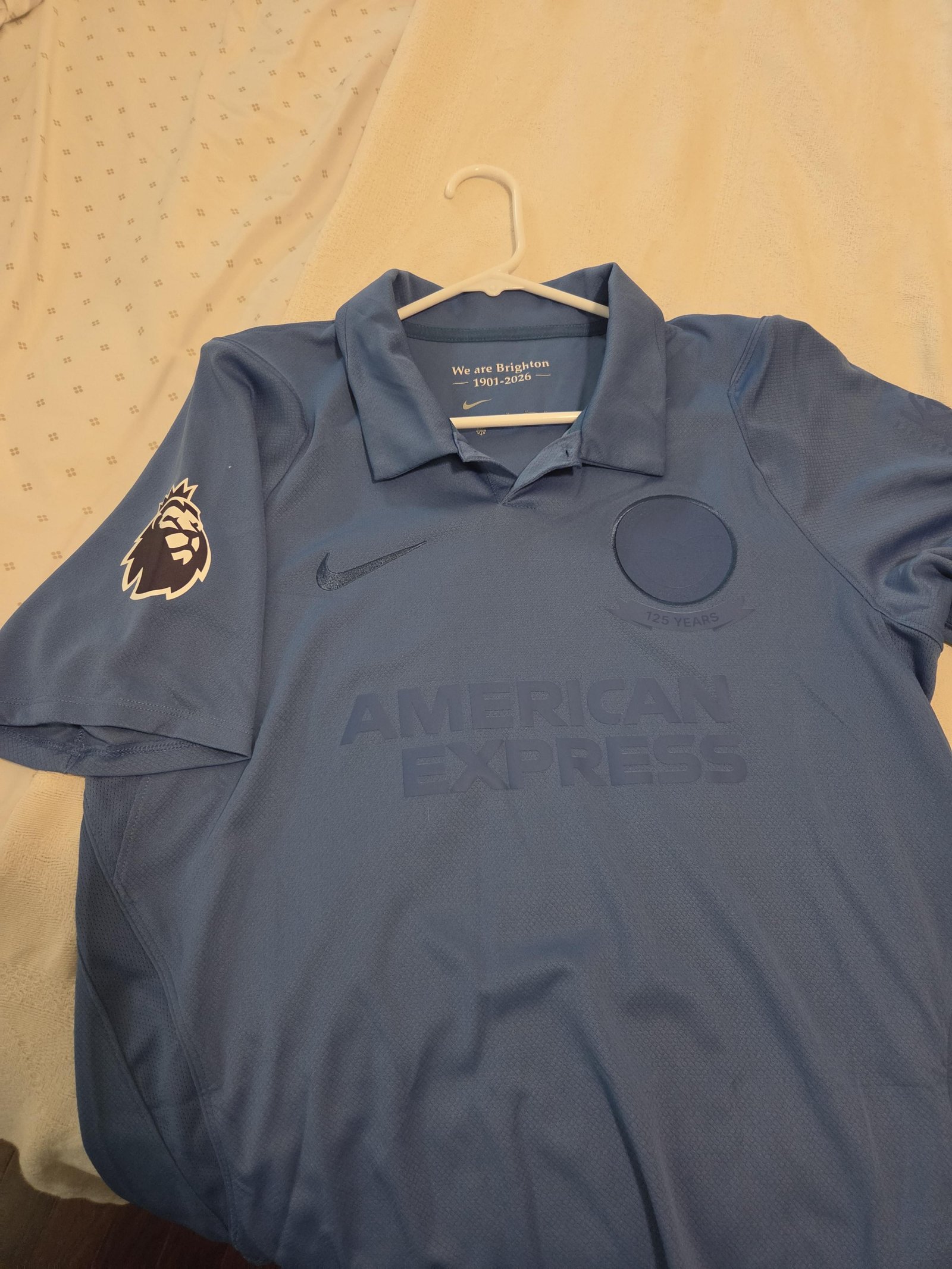
The real cost of a 'cheap' shirt
That $16 shirt sounds like a steal until you do the math. If it lasts one season of heavy wear and washing, you're replacing it every year. Over five years, that's $80. A $100 shirt that lasts a decade costs you $10 a year. The cheap option isn't cheaper in the long run.
But here's the catch: not all expensive shirts are built to last. I've got a 2014-15 Barcelona home shirt that's been through hundreds of washes and still looks sharp. I also bought a player-version kit in 2018 that started peeling after a dozen wears. Price doesn't guarantee quality.
What you're actually paying for
When you drop £100 on a shirt, you're paying for more than fabric. You're paying for the design work, the license, the player nameset, and the fit. A fan version from a official store often has a looser cut and cheaper materials than the player version, which is what the pros wear. That player version can cost £120 or more, and it's cut slim.
Then there's the import duty. A £100 shirt from overseas can pick up 20% VAT plus a handling fee, which is how you get to $200. I learned that the hard way with a 2016-17 Juventus away shirt I ordered from Italy. The shirt was €90, but the fees pushed it past €130.
The case for the $20 replica
Not everyone needs a grail. If you're buying for a kid, or you just want to wear your colors to the pub, a replica does the job. The 2018-19 season had some great designs, and you can find decent replicas of that era for under $30. They won't have the same stitch count or the authentic nameset, but they'll look right from the stands.
The problem is when replicas fall apart. I've seen bootleg shirts where the crest was printed on crooked or the sponsor peeled off after one wash. That's not a bargain; that's a waste.
How to avoid the $200 trap
First, check if the club ships from a local warehouse. Many do, and you'll skip the customs hit. Second, look for end-of-season sales. The 2020-21 kits were heavily discounted by the following summer. Third, consider a fan version instead of a player version. The fit is more forgiving and the price is lower.
And if you're buying from a reseller, ask for proof of purchase. I've bought duplicates before and flipped them, but I always keep the receipt. It protects you if the shirt turns out to be a fake.
Straight answers
Are expensive football shirts worth the money?
It depends on how you wear them. If you're a collector who handles shirts carefully, a well-made kit can last a decade. If you're washing it after every match, a cheaper replica might be more practical. The sweet spot is a mid-priced fan version from a reputable source.
How can I avoid customs fees when buying a shirt from abroad?
Check if the retailer has a local warehouse or offers delivery from within your country. Some clubs do. Also, look for shops that include duties in the price at checkout. If you're buying from a private seller, ask them to mark it as a gift, though that's not always legal.
Do cheap replica shirts last as long as official ones?
Generally, no. Official shirts use better fabrics and stitching. But some replicas are surprisingly good. The key is to look for reviews and avoid the very cheapest options. A $30 replica can last a few seasons if you wash it inside out and air dry.
This piece started from a fan discussion on r/SoccerJerseys and was expanded with our kit desk's take.