Sometimes football news isn't about goals or transfers. It's about real life, and the dark stuff that happens off the pitch. This week, Andy Carroll made headlines for a completely different reason: he named Kevin Adams, a coach from BBC's Fame Academy, as a sex attacker. Adams was subsequently jailed for 20 months. It's a heavy topic, but one worth talking about.
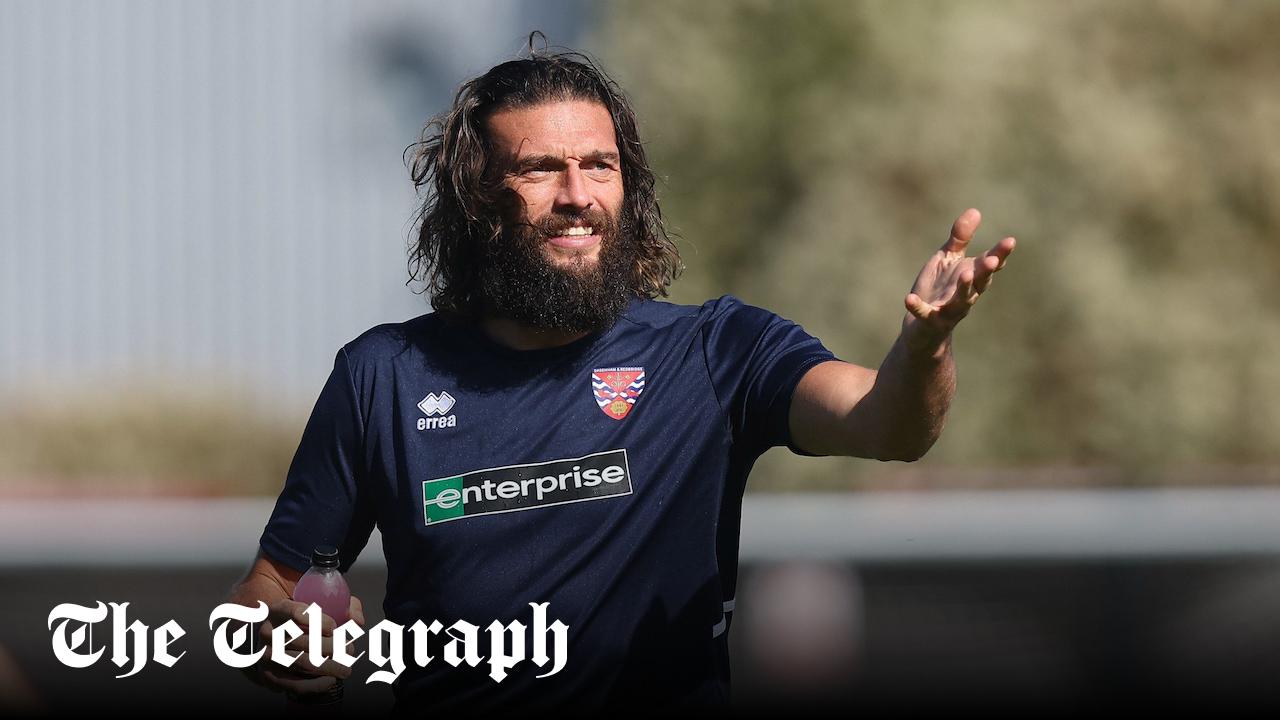
Wait, Andy Carroll? The Striker?
Yeah, that Andy Carroll. The big Geordie striker who used to batter defenders for Newcastle and Liverpool. Turns out he's also got a seriously brave side. He was a victim of abuse by Kevin Adams, and he decided to speak out. Adams, who worked on the BBC show Fame Academy, was sentenced to 20 months in prison. Carroll's decision to go public is huge. It's not easy for anyone to talk about being a survivor of sexual abuse, let alone a Premier League footballer who's supposed to be all macho and tough. But Carroll did it, and that's proper courage.
Why This Isn't Just a Football Story
This goes way beyond football. It's about abuse of power, about trusting the wrong people, and about the long shadow that trauma casts. Fame Academy was a reality TV show where young people tried to become pop stars. Kevin Adams was a coach there. That's a position of trust, and he abused it. The fact that it took years for this to come out shows how hard it is for victims to speak up, especially when the abuser is someone with a public profile. Carroll's case is a reminder that abuse can happen anywhere, and to anyone, regardless of how famous or successful they become later.
The Reaction from Fans: Mixed but Mostly Supportive
When the news broke on r/soccer, the thread blew up. Most comments were supportive of Carroll. People were praising his bravery, saying it must have taken guts to come forward. A few idiots made jokes, because of course they did, but they got downvoted to oblivion. The general vibe was: this is bigger than football, and Carroll deserves respect. Some fans pointed out that this kind of thing is probably more common in football than we'd like to admit. The culture of silence, the fear of being seen as weak, the homophobia and toxic masculinity—it all contributes. Carroll speaking out might help others do the same.
What About the 20-Month Sentence?
Adams got 20 months. Is that enough? Probably not, but it's something. The legal system often lets survivors down, and sentences for sexual offenses are frequently criticized as too lenient. But at least there's a conviction. Carroll didn't get justice in the sense of a long prison term, but he got validation. The court believed him. That matters. It also sets a precedent: you can't hide behind your showbiz connections forever. Eventually, the truth comes out.
Should More Footballers Speak Out?
Absolutely. Football has a problem with silence. Too many players suffer in silence because they're afraid of the stigma. They think it'll affect their career, their reputation, their masculinity. But Carroll's case shows that speaking out can be empowering. It doesn't make you weak; it makes you strong. The more players who come forward, the more the culture shifts. It's not just about individual justice; it's about changing the system so that abuse is less likely to happen in the first place. Football clubs need to do more to support survivors and to create an environment where people feel safe to report abuse.