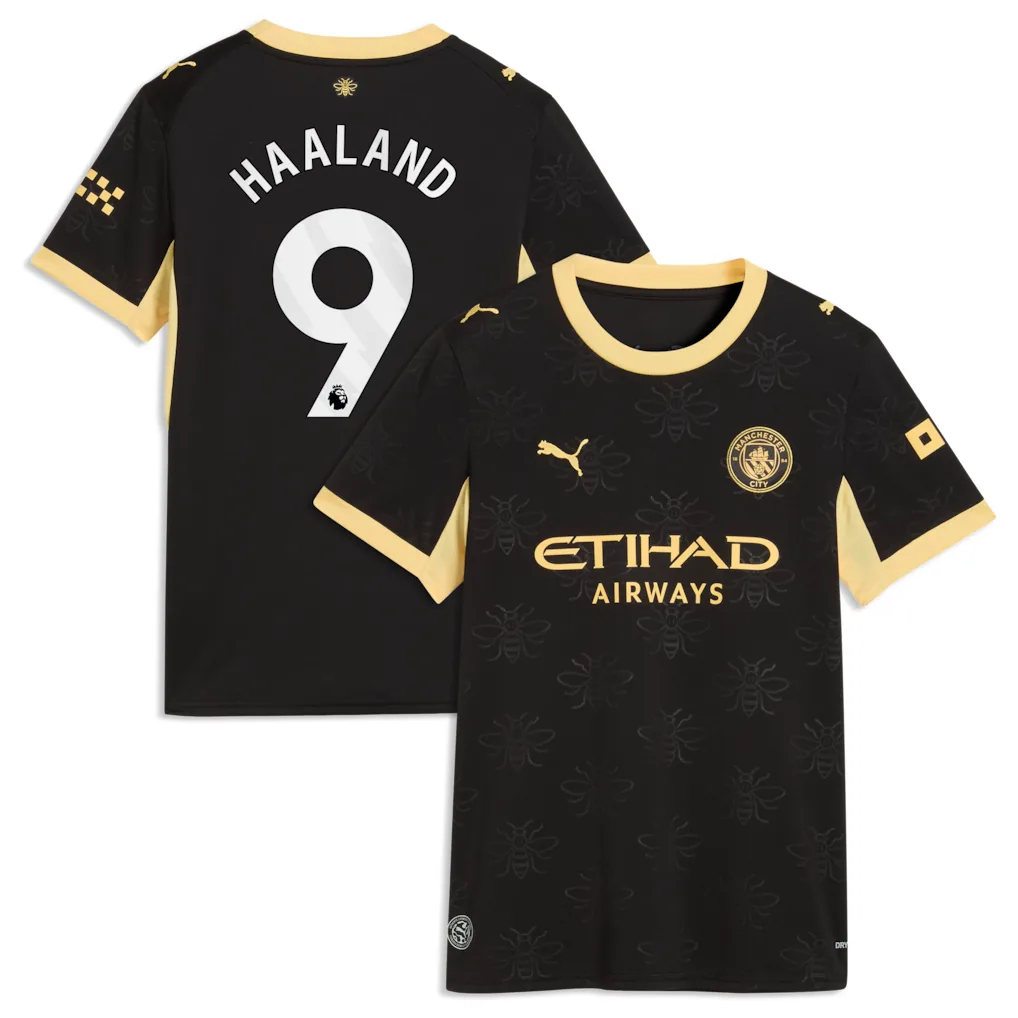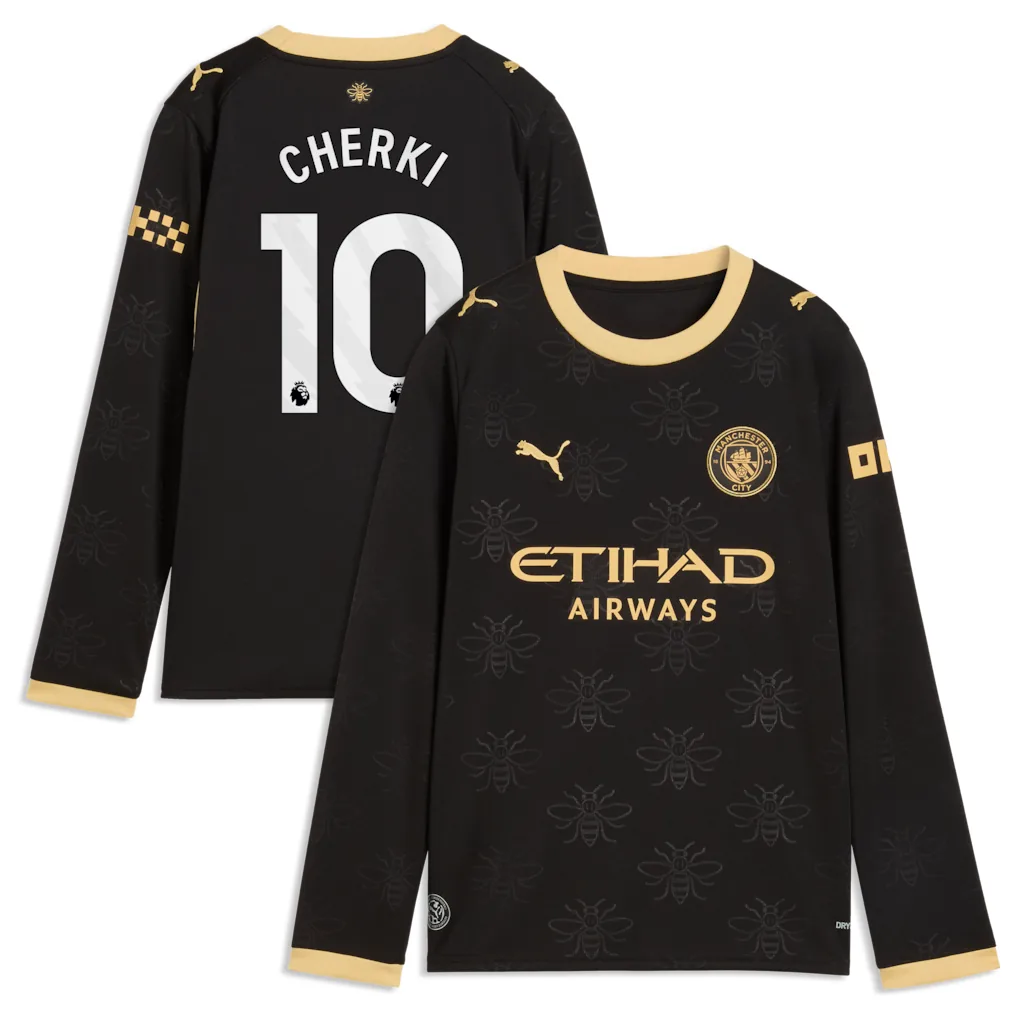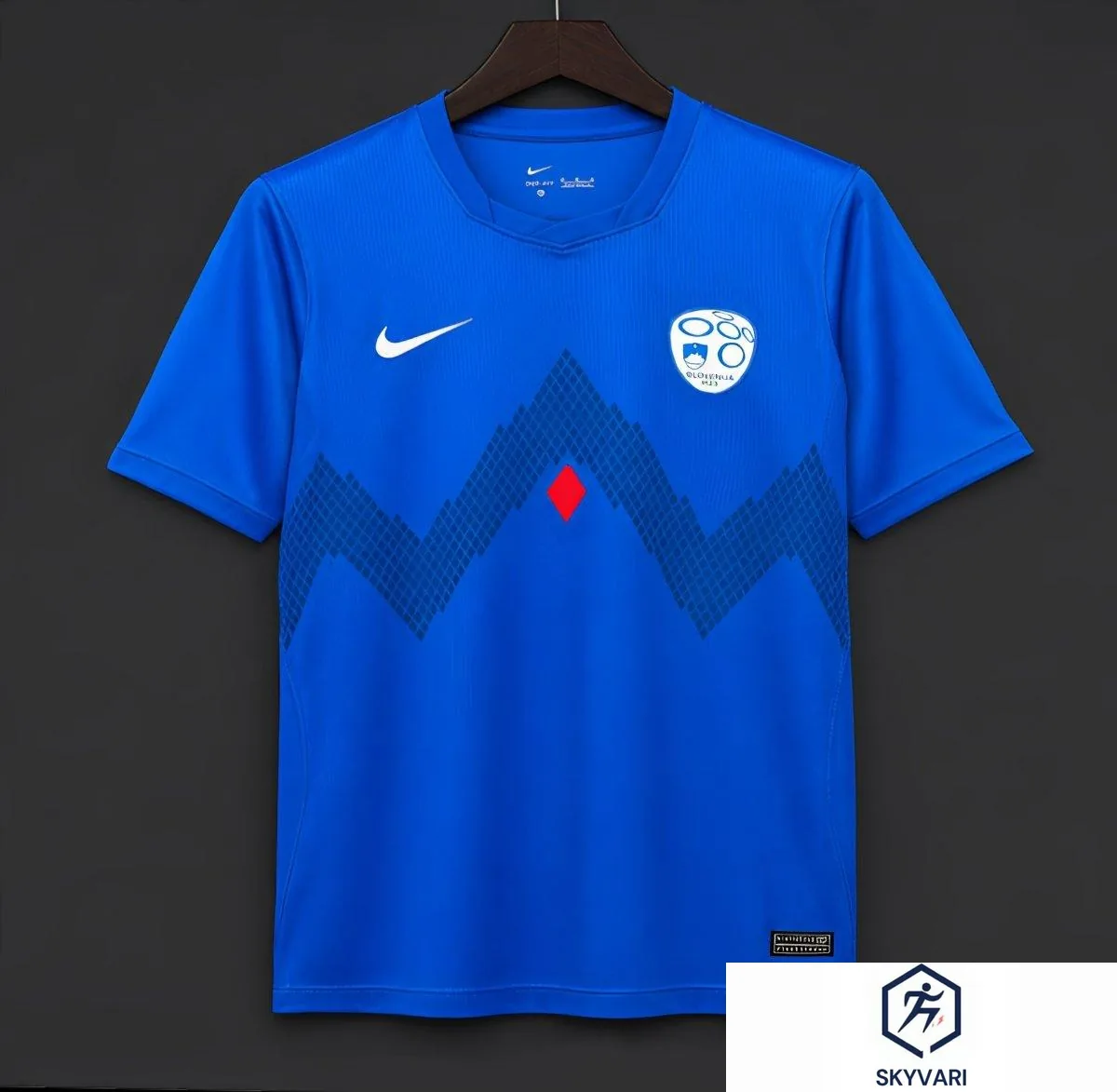
I've ruined more shirts in the laundry than I have in tackles. And I don't even play.
Look, I get it. You buy a shirt, you wear it, you wash it, you repeat. But somewhere in that cycle, things go wrong. The print peels, the colors fade, the fabric bobbles. Next thing you know, your favorite kit looks like it's been through a war. I've been there. Multiple times. So I started treating my shirts like they matter. Because they do.
Read the damn label
I know, riveting stuff. But seriously, the tag inside your shirt tells you everything. Most football shirts are polyester, which is great for sweat-wicking but terrible if you treat it like cotton. Hot water? Death. Tumble dryer? Double death. That's how you get cracks in the sponsor logo and numbers that look like they survived a house fire.
Cold water. Always. And if you can, wash them inside out. That protects the print and any embroidery from rubbing against other clothes.
Detergent: less is more
You don't need half a cup of detergent. A tablespoon or two is plenty. Too much soap leaves residue that attracts dirt and can break down the fabric over time. And skip the fabric softener. It coats the fibers and ruins the moisture-wicking properties. Your shirt won't breathe, and you'll feel like you're wearing a plastic bag.
Also, avoid bleach. Unless you want your red shirt to become pink. In which case, go ahead. But don't say I didn't warn you.
Wash with like colors, but not with zippers
Zippers, hooks, and Velcro are the enemies of polyester. They snag and pull. Wash your shirts with other soft items—like socks or underwear—or alone if you're precious about them. And separate whites from colors, obviously. I learned that the hard way when my white away kit came out with a blue tint from a new pair of jeans. That was a fun day.
If you're washing a shirt with a lot of print, like the Player Version 2026 Manchester United Blue with Black Away Jersey, turn it inside out and use a mesh bag. That extra layer of protection keeps the print from sticking to other clothes in the wash.
Drying: the make-or-break step
Never, ever put your shirt in the dryer. Even on low. The heat breaks down the glue on the print and causes the fabric to shrink. And football shirts are already slim-fit enough. Hang it up. Preferably indoors, away from direct sunlight. Sun fades colors faster than you'd think. If you're in a hurry, point a fan at it. But don't rush it. Patience saves shirts.
If you must dry it outside, do it in the shade. And hang it by the shoulders, not the collar, to avoid stretching. I use a plastic hanger with wide shoulders. Works like a charm.
Storing: don't just ball them up
I used to shove my shirts in a drawer. Big mistake. They got creased, and the prints stuck together. Now I hang them. If you're short on space, fold them neatly and stack them, but put a piece of tissue paper between each shirt to prevent sticking. Especially for shirts with rubberized or heat-pressed logos.
And keep them out of damp places. Moisture leads to mold, and mold leads to sadness. A dry closet is your friend.
When to wash (and when not to)
You don't need to wash after every wear. If you wore it for a couple of hours and didn't sweat, air it out and wear it again. Overwashing is a thing. Each wash cycle puts stress on the fabric and print. So unless it's dirty or smelly, give it a break.
But if you spilled beer on it at the pub during a match, yeah, wash it. Cold, gentle cycle, inside out.
My go-to products
I'm not loyal to any detergent brand, but I do use a gentle, dye-free liquid. And I always have a mesh laundry bag on hand. They're cheap and save you from heartbreak.
If you're looking for a new shirt to test these methods on, the Player Version 2026 Manchester United Blue with Black Away Jersey Soccer Football from LISIMKE is a solid budget option at $24.99. It's a player version, so the fabric is lighter and the fit is tighter. Just be extra careful with the print—player versions tend to have more heat-pressed details that can peel if you're careless.
The takeaway
Treat your shirts like you'd treat a good pair of boots. Clean them properly, dry them gently, store them well. Do that, and they'll last for years. I've got shirts from a decade ago that still look new because I follow these rules. Well, most of them. I still have that pink shirt somewhere.