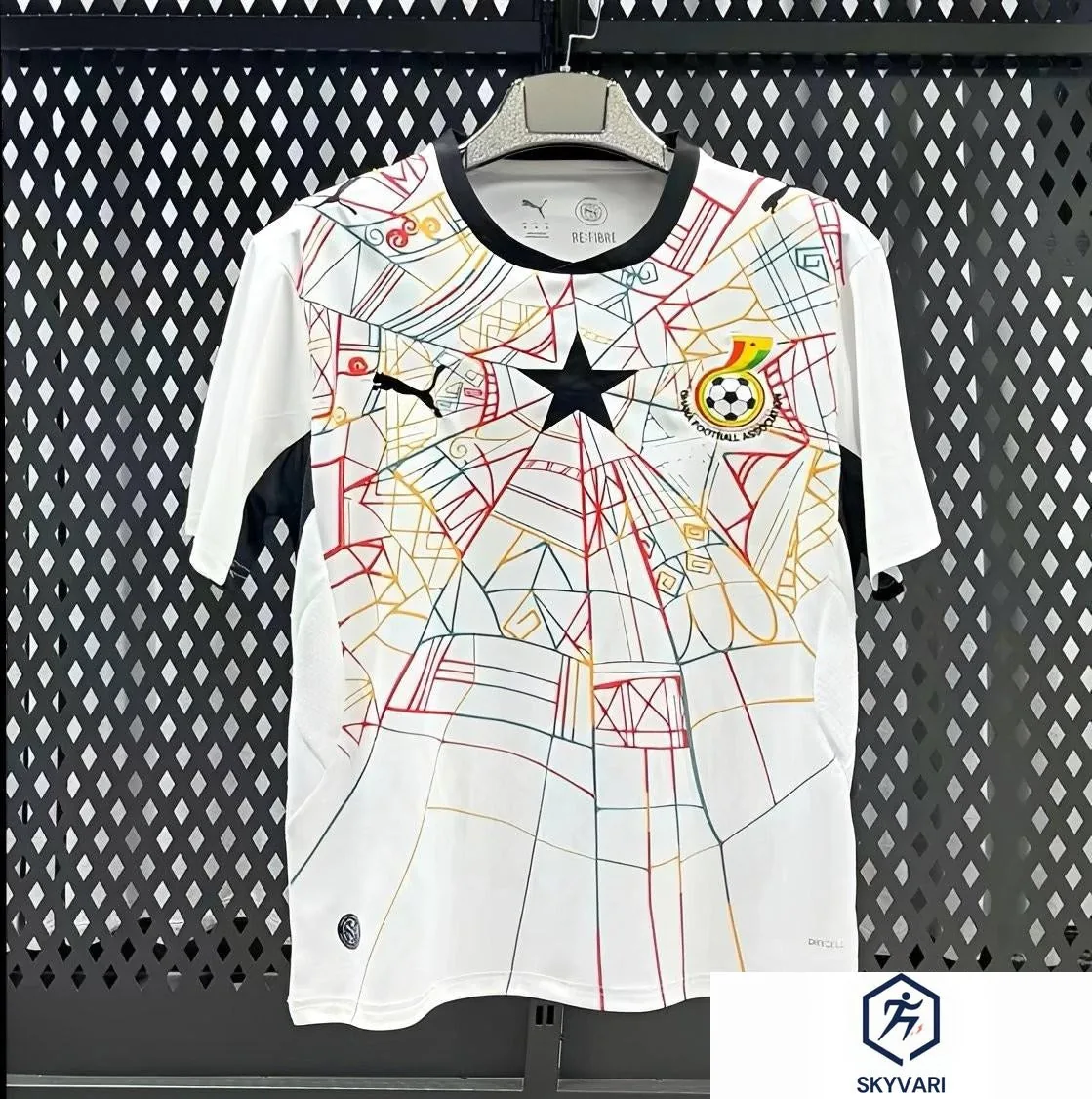
You know that feeling when you spend ages picking out the perfect shirt, only for someone else to tell you it’s not allowed? That’s basically what happened to Uzbekistan and Ghana at the 2022 World Cup. FIFA’s kit police decided neither team would wear their home kit in any group stage match. Not once. Instead, they had to trot out in their away or third kits for all three games. As a kit nerd, this hurts my soul.
What’s the point of a home kit if you can’t wear it?
I get it: FIFA wants to avoid color clashes so viewers can tell teams apart. But banning a team from wearing their primary shirt for the entire group stage? That’s overkill. Uzbekistan’s home kit is a crisp white with blue accents, while their away is blue. Ghana’s home is white with a red-yellow-green trim, and their away is also… wait for it… white? No, actually Ghana’s away is red. But apparently that still clashed with someone.
Here’s the thing: these decisions aren’t made in a vacuum. FIFA looks at every matchup and decides which kit each team wears. Sometimes it makes sense. Other times, like here, it feels like they’re just flexing. And the worst part? Fans who bought the home shirt specifically for the World Cup got to see it on the bench.
The colorblind argument is real, but FIFA’s execution is baffling
FIFA’s intent is noble: make the game watchable for people with color vision deficiency. But their method is like using a sledgehammer to crack a nut. They seem to think the only way to ensure contrast is to pit a "dark" kit against a "light" kit. That’s why you get absurdities like Spain vs Netherlands in 2014, where both teams ended up in away kits because their home colors were deemed too similar. Spain wore white, Netherlands wore dark blue, and the game looked like a training session between two random teams.
But here’s the kicker: not all colorblindness is the same. As one fan pointed out, red and blue can be tricky for some, yet FIFA never allows that combo. Meanwhile, they’ll happily put yellow in the "light" category even though it’s bright as hell. It’s a one-size-fits-all solution that doesn’t fit anyone.
I’ve seen enough kit clashes in my time to know that sometimes the best solution is just letting teams wear their traditional colors and trusting that fans can figure it out. But no, we get bureaucratic nonsense.
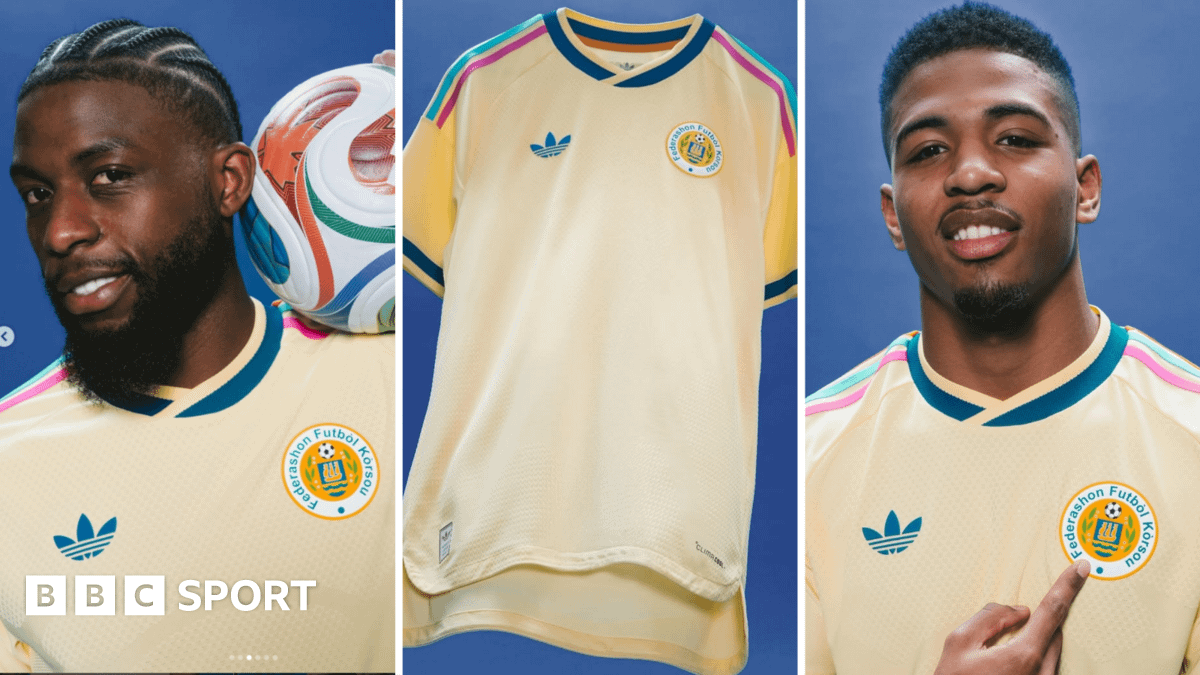
Ghana’s yellow kit was better anyway
Speaking of Ghana: did you know they only switched to white as their home kit in the 2000s? Before that, yellow was their primary color. As someone who grew up watching the Black Stars in that bold yellow, I’ve always preferred it. So when I heard they wouldn’t wear white in the group stage, I wasn’t mad. In fact, I was kind of happy. The yellow kit is iconic, and it pops on TV. Maybe FIFA did us a favor? Probably not, but I’ll take the small wins.
Colombia’s kit designers need to have a word with themselves
Then there’s Colombia. How do you mess up so badly that your home and away kits are too similar? That’s a failure of basic design. If your home kit is yellow and your away kit is… also yellow-ish? Come on. FIFA’s rules might be overbearing, but teams should also make sure their kits are distinct. Colombia’s 2022 away kit was navy, which is fine, but their home was yellow. No clash there. So why did they have issues? Oh right, because FIFA’s algorithm sometimes flags yellow and white as too close. Sigh.
The whole thing makes me appreciate teams like Nigeria, who always bring wild patterns that are unmistakable. Maybe that’s the lesson: if you want to wear your home kit, make it so loud that FIFA can’t say no.